

Health by Motion:
Where Your Health is Our Priority
At Health by Motion, we specialize in strength training, injury rehabilitation, and pre & post-natal fitness. We are committed to helping you reach your fitness goals through personalized care and expert guidance.
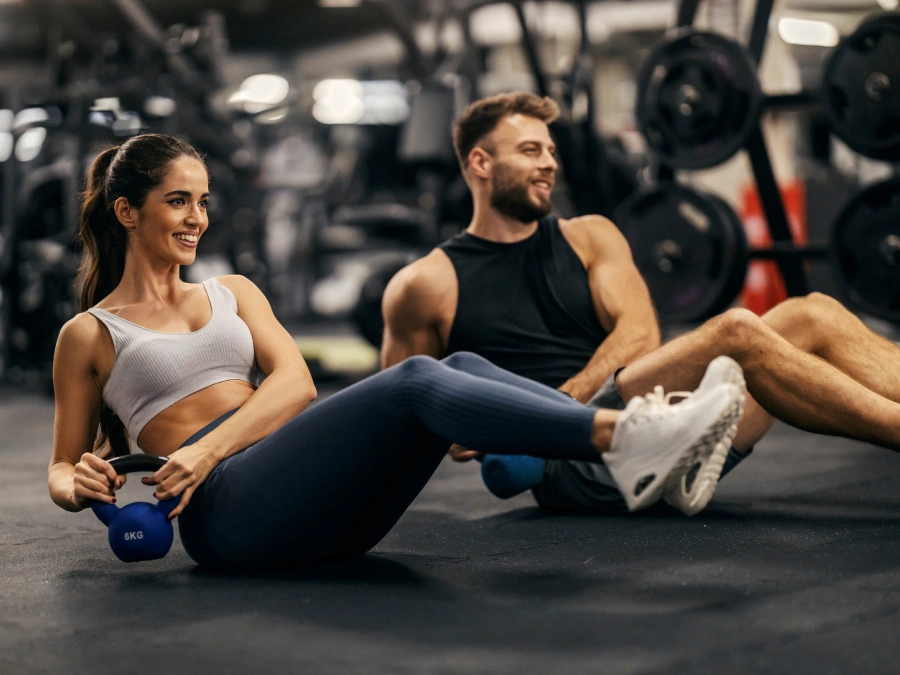
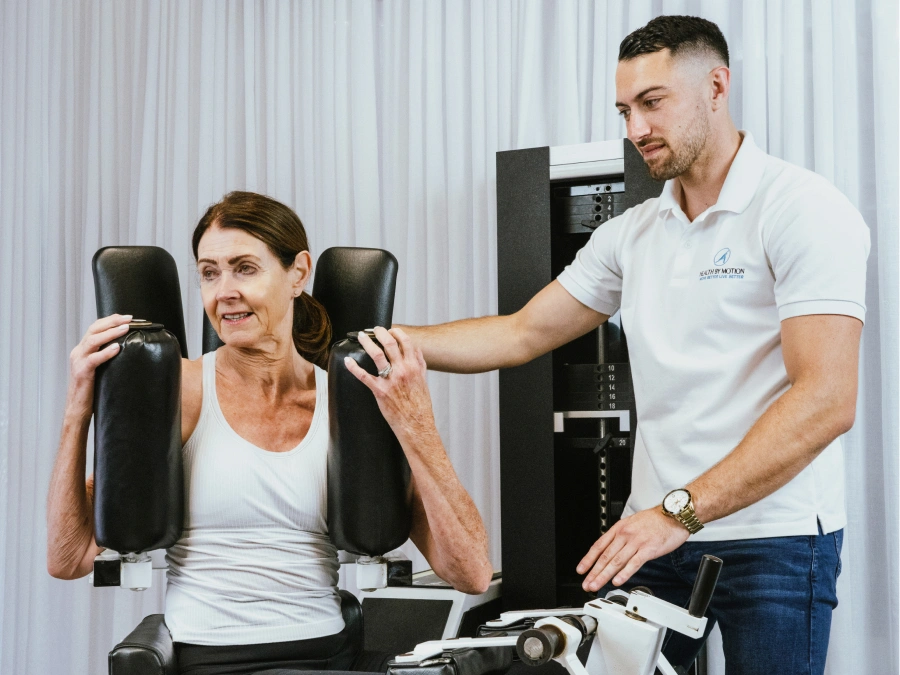
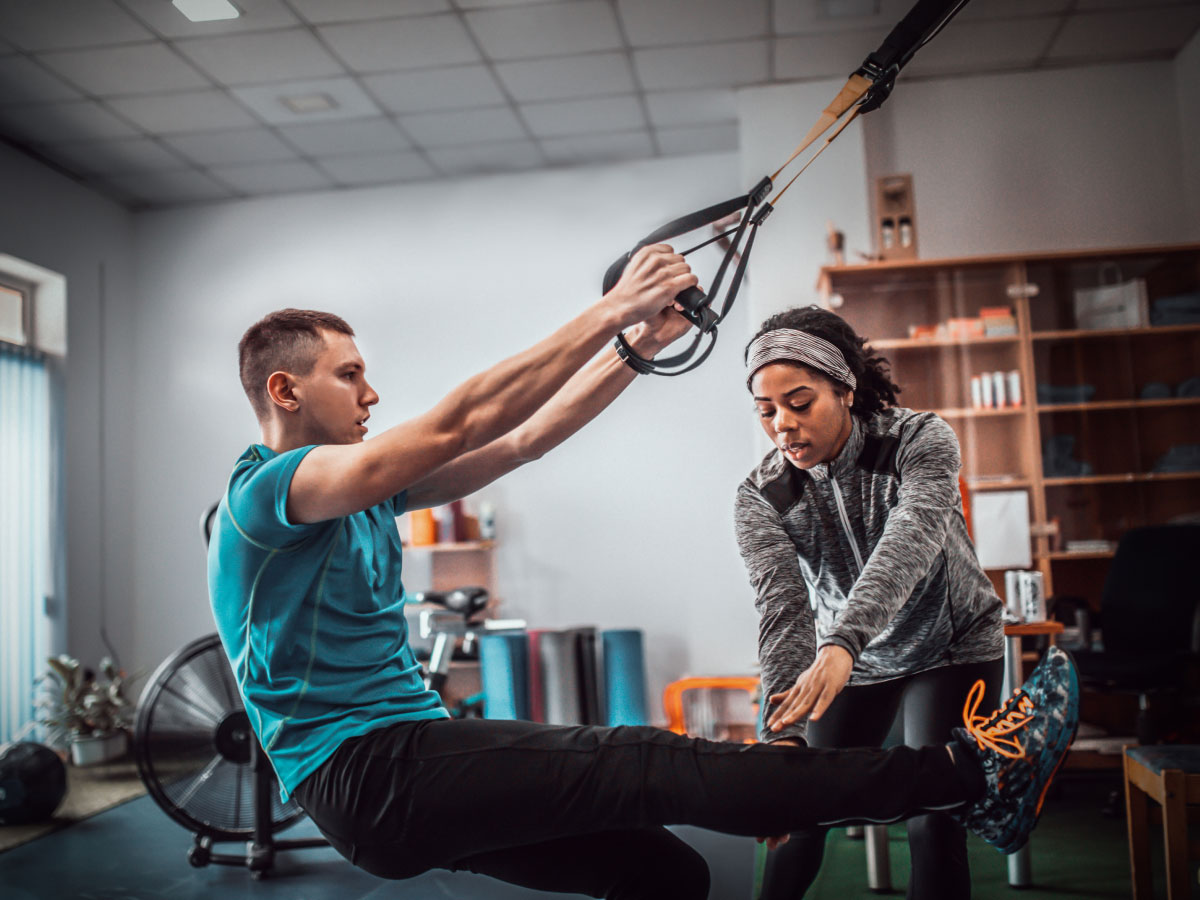
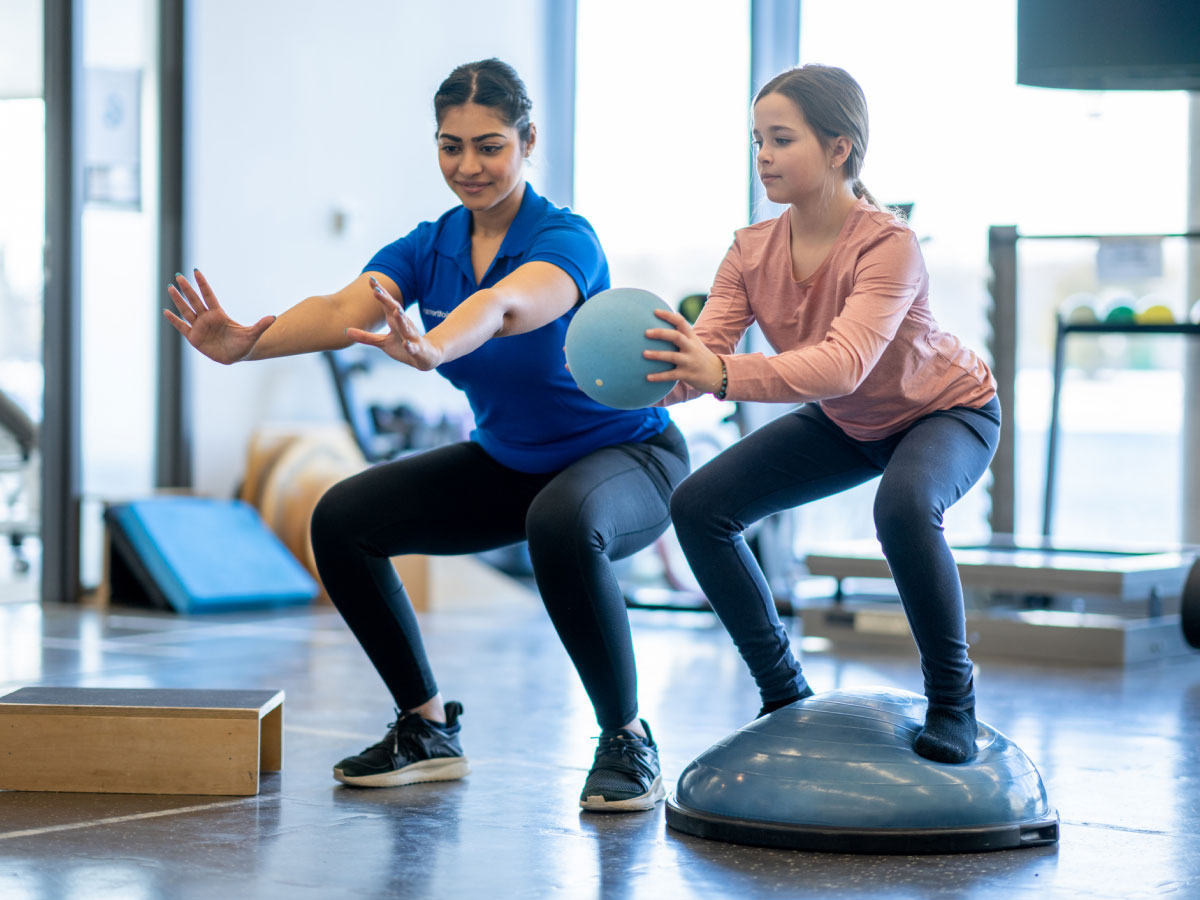
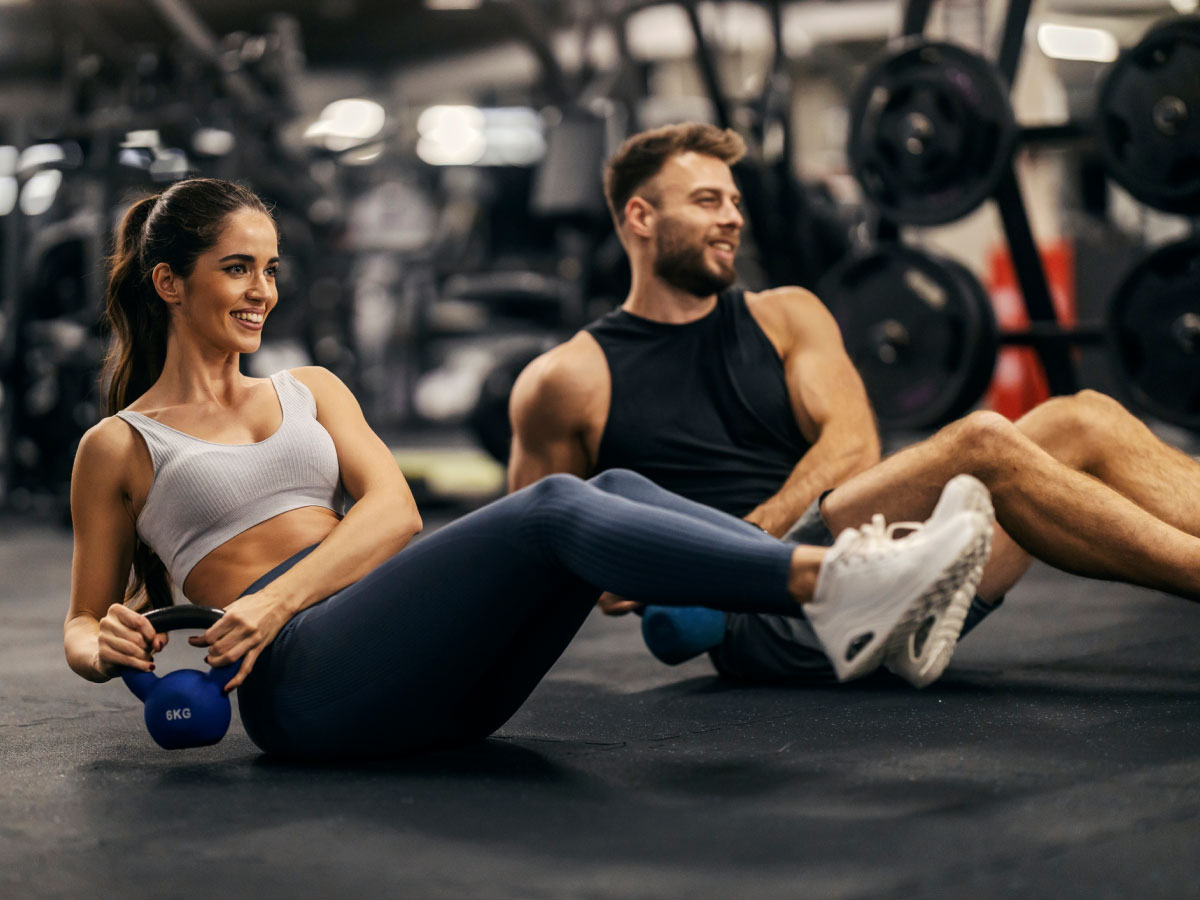
Health by Motion offers a range of personalized services designed to help you reach your fitness goals safely and effectively.
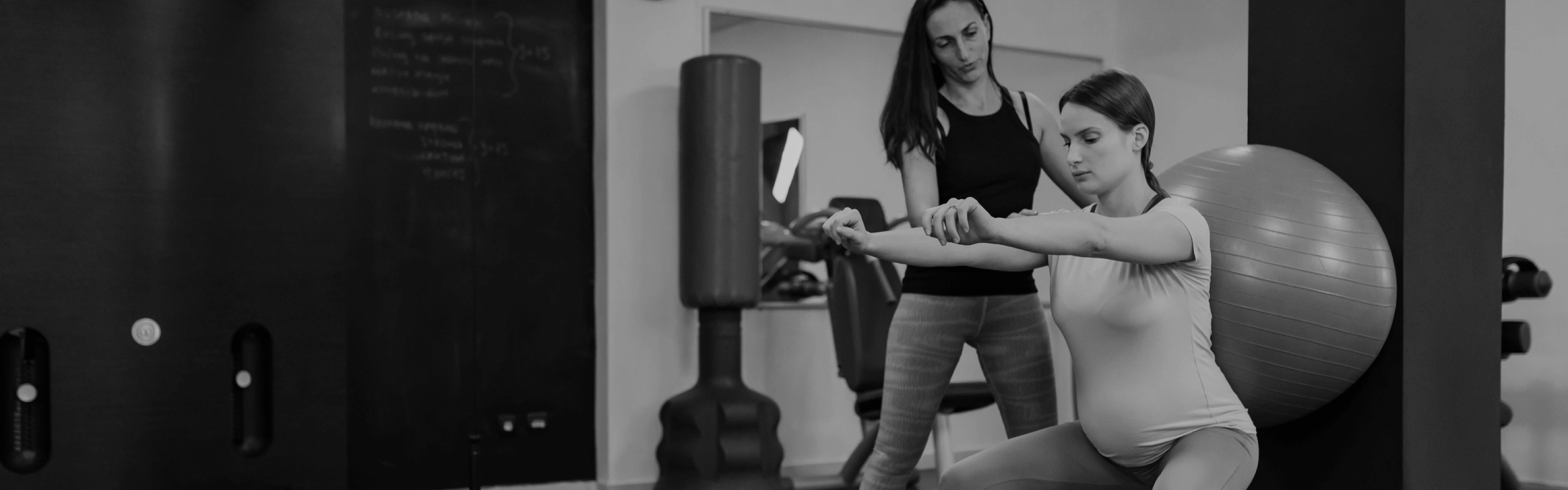
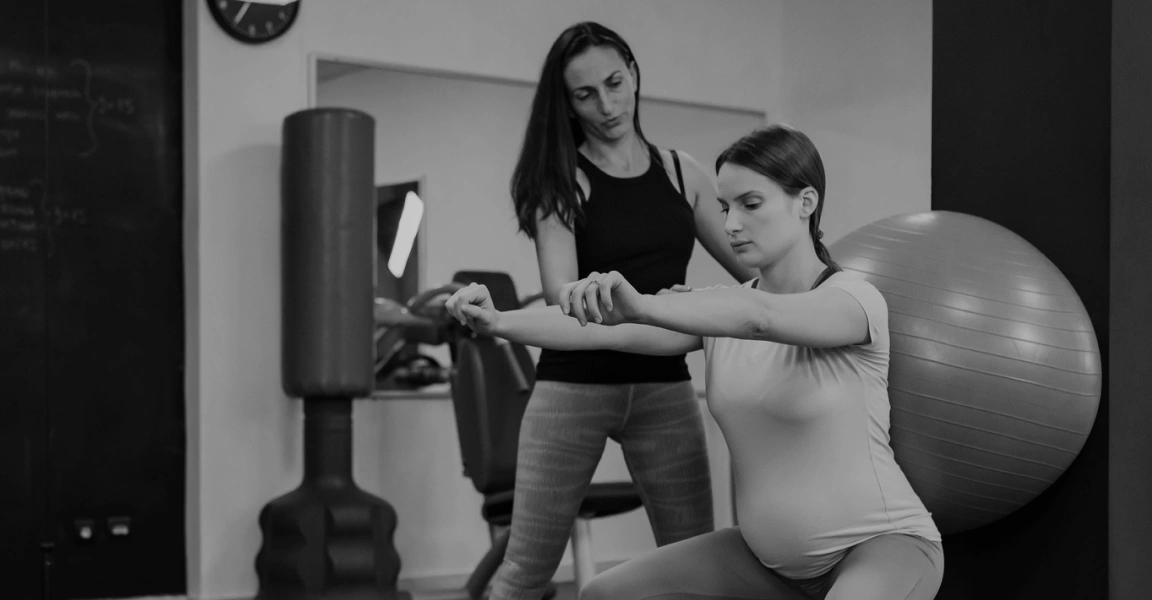
Is It Safe to Exercise While Pregnant?
Yes! Exercise during pregnancy is not only safe but also highly beneficial. Here are the top 5 benefits:
- Reduced Risk of Pregnancy Complications: Exercise helps lower the chances of gestational diabetes and pre-eclampsia by regulating blood sugar and blood pressure.
- Improved Physical and Mental Health: Regular exercise alleviates discomforts like back pain, swelling, and fatigue, while also improving mood and reducing anxiety.
- Enhanced Labor and Delivery Preparedness: Strengthening your core and pelvic floor can lead to a smoother labor by improving endurance and stamina.
- Faster Postpartum Recovery: Active women tend to recover more quickly after childbirth, regaining strength and energy sooner.
- Healthier Weight Management: Exercise helps maintain a healthy weight during pregnancy, making it easier to return to pre-pregnancy weight post-birth.
Why is Rehabilitation and Posture Important?
Rehabilitation and postural alignment offer several key benefits that can significantly improve overall health and well-being. Here are some of the main advantages:
Key Benefits of Rehabilitation:
Rehabilitation and postural alignment are key to long-term health. Here are the benefits:
- Pain Relief: Rehabilitation often targets specific injuries or conditions, helping to alleviate pain through targeted exercises and therapies.
- Restoration of Function: It aims to restore movement and function in affected areas, enabling individuals to return to daily activities and hobbies.
- Injury Prevention: Rehabilitation programs often educate individuals on proper techniques and exercises to prevent future injuries.
- Increased Strength and Flexibility: Tailored exercises enhance muscular strength and flexibility, which are crucial for overall physical health.
- Improved Balance and Coordination: Many rehabilitation programs focus on balance and coordination, reducing the risk of falls, especially in older adults.
- Enhanced Mental Well-being: Engaging in rehabilitation can boost confidence, reduce anxiety related to injuries, and improve overall mood.
- Personalized Care: Rehabilitation is typically customized to meet individual needs, ensuring the most effective approach for recovery.
Key Benefits of Postural Alignment:
- Reduced Pain: Correct posture can alleviate strain on muscles and joints, reducing pain in areas such as the back, neck, and shoulders.
- Improved Functionality: Good postural alignment enhances mobility and functional movement, making daily tasks easier and more efficient.
Enhanced Breathing: Proper posture opens up the chest and diaphragm, improving respiratory function and oxygen intake. - Boosted Confidence: Good posture is often associated with increased confidence and self-esteem, influencing how individuals perceive themselves and how others perceive them.
- Better Circulation: Proper alignment facilitates blood flow and can help reduce the risk of circulatory issues.
- Reduced Fatigue: Efficient posture minimizes energy expenditure, helping to reduce fatigue during physical activities.
- Long-term Health Benefits: Maintaining good posture over time can prevent chronic issues and promote better overall health.
Incorporating both rehabilitation and attention to postural alignment can lead to significant improvements in physical health and quality of life.
Does Having a Strong Core Help with Lower Back Pain?
Yes, having a strong core can significantly help alleviate and even prevent lower back pain. Here’s how a strong core contributes to better back health:
- Spinal Support: The core muscles provide essential support for the spine. A strong core helps maintain proper alignment, reducing stress on the lower back.
- Reduced Muscle Strain: When the core is strong, it can effectively support the body during movements, reducing the strain on lower back muscles. This minimizes the risk of muscle fatigue and injury.
- Improved Posture: Strong core muscles promote better posture, which can alleviate pressure on the lower back. Proper alignment helps distribute weight evenly, reducing discomfort.
Enhanced Stability: Strong core improves overall stability and balance. This stability can prevent awkward movements that may lead to lower back pain. - Injury Prevention: Strengthening the core can help prevent injuries by providing a solid foundation for movement. This is especially important during activities that involve lifting or twisting.
- Functional Movement: Core strength enhances the ability to perform daily activities safely and effectively, reducing the risk of movements that could aggravate back pain
- Support During Rehabilitation: For individuals recovering from lower back injuries, a strong core is vital for rehabilitation. It can help restore function and prevent future issues.
- Muscle Balance: Core exercises often strengthen both the abdominal and back muscles, promoting balance between these muscle groups, which is crucial for spinal health.While strengthening the core can help alleviate lower back pain, it’s essential to approach this in conjunction with other treatments and techniques. Consulting a healthcare provider or physical therapist is advisable for a comprehensive plan tailored to individual needs.
Is It Good to Be Strong?
Yes, being strong—both physically and mentally—offers numerous benefits. Here are some key advantages:
Physical Strength:
- Improved Health: Strength training can enhance cardiovascular health, increase metabolism, and promote healthy body composition.
- Injury Prevention: Strong muscles support joints, reducing the risk of injuries in daily activities and sports.
Enhanced Performance: Whether in sports or daily tasks, physical strength can improve overall performance and endurance. - Better Posture: Strong muscles, particularly in the core and back, contribute to good posture, reducing the risk of pain and discomfort.
- Increased Functional Ability: Strength makes everyday activities—like lifting, carrying, or climbing—easier and more manageable.
- Boosted Confidence: Achieving strength goals can enhance self-esteem and body image.
Mental Strength:
- Resilience: Mental strength helps individuals cope with challenges, setbacks, and stress more effectively.
- Focus and Discipline: Building mental strength often involves setting and achieving goals, fostering discipline and focus.
Emotional Regulation: A strong mindset can improve emotional regulation, helping to manage anxiety, frustration, or anger. - Better Decision-Making: Mental strength can enhance clarity of thought and decision-making skills, leading to more rational choices.
- Improved Relationships: Being mentally strong can enhance communication skills and the ability to empathize, improving personal and professional relationships.
Balance is Key:
While strength is beneficial, it’s also important to maintain balance. Overemphasis on physical strength at the expense of flexibility, endurance, or mental well-being can lead to issues. Likewise, mental strength should be complemented by self-care and emotional awareness.
Overall, cultivating both physical and mental strength contributes to a healthier, more fulfilling life.
